U of A launches rapamycin clinical trial with philanthropic support of alumnus Ken Coit
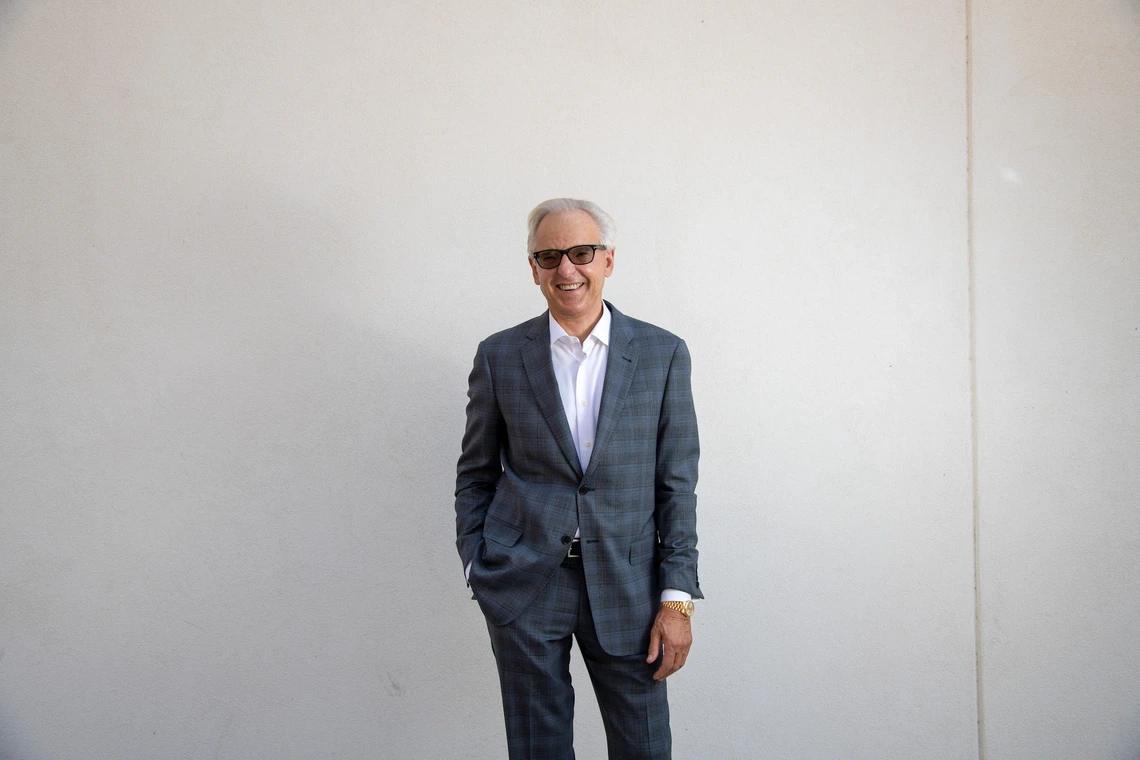
R. Ken Coit
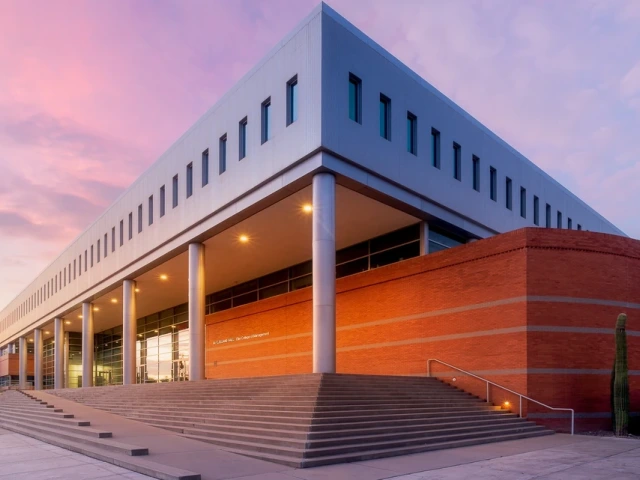
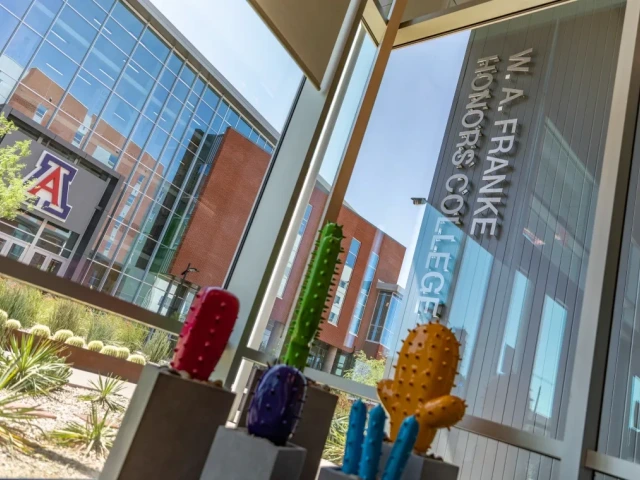
Researchers at the University of Arizona R. Ken Coit College of Pharmacy will begin a double-blind, randomized Phase 3 clinical trial this year to evaluate whether a drug used to prevent organ transplant rejection can also improve older adults' resilience and immune function.
The clinical trial with the drug, rapamycin, is funded with $12 million in philanthropic support from alumnus R. Ken Coit. Coit graduated from the College of Pharmacy in 1967 and has been a supporter of the college for decades. In 2021, his $50 million naming gift commitment was used to establish endowed faculty positions and student scholarships and to renovate the Coit History of Pharmacy and Health Sciences Museum.
"We are grateful to Ken for his latest gift which will empower a new approach to examining what aging and longevity mean, and hopefully lead to solutions to a better and more fulfilling life for many," said University of Arizona President Suresh Garimella. "His long-standing interest and generosity have helped position our college of pharmacy among the top in the nation."
Longevity science and aging have long been a research focus at the University of Arizona. Within the Coit College of Pharmacy, the Coit Center for Longevity and Neurotherapeutics, established in 2023, aims to foster new discoveries and therapeutics that promote healthy aging. The center's research efforts range from improving the understanding of neurodegenerative disorders such as Alzheimer's disease and Parkinson's disease to uncovering new drug targets and developing therapies that could modify aging and disease.
"Ken's generosity is making possible the first investigator-led clinical trial in the College of Pharmacy," said Brian Erstad, interim dean of the Coit College of Pharmacy. "His latest gift will enable new opportunities for our researchers to continue to gain further insights into the human lifespan and make new inroads in the development of therapeutics to slow aging."
"Rapamycin is our best shot on goal for improving resiliency and healthspan as we age," Coit said. "Several studies have proven that rapamycin can improve vaccine efficacy and improve oral health in older adults. This study will measure the ability for low-dose rapamycin to maintain or improve physical and immunologic functioning in people 65 years and older."
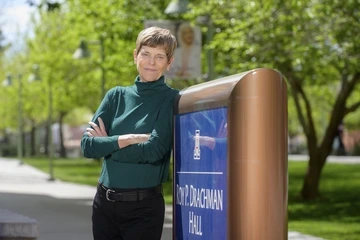
According to lead investigator Bonnie LaFleur, a professor in the Coit College of Pharmacy, the Phase 3 clinical trial, if it receives final approval from the FDA as expected, is projected to take six years. Participants will be randomized to rapamycin or a placebo that they will take for two years, with an additional year of follow-up. Collaborators will conduct several ancillary studies in parallel with the clinical trial, all with the goal of improving health and well-being in older adults.
Researchers will focus on two main ways to measure the potential effects of rapamycin. The first will gauge the impact of the treatment on physical function, specifically, whether rapamycin changes the transition to frailty, which can significantly impact quality of life. The second will evaluate the levels of an inflammatory marker called IL-6, a measure of inflammation associated with many age-related diseases, including frailty. The researchers want to see if rapamycin can reduce IL-6 levels in the blood.
"As we unlock the secrets of longevity and healthy aging, we are reminded that the promise of science must always be in service to society," said Tomás Díaz de la Rubia, senior vice president for research and partnerships. "At the University of Arizona, our land-grant mission compels us to translate discovery into well-being for Arizonans and people around the world. Through bold, interdisciplinary research in aging, we are shaping a future where longer lives are not only possible but healthier."
"Insights from this research will help support healthy aging, something that affects all of us," said John-Paul Roczniak, president and CEO of the University of Arizona Foundation. "I'm grateful to Ken for demonstrating once more the power of philanthropy to help move science forward."
The Coit Family Foundation is among the university's most generous supporters during the $3 billion Fuel Wonder campaign, committing over $75 million since 2017.